Home › Asphalt Driveway Installation
Get a smooth, long lasting asphalt driveway installation in Omaha, NE from local paving pros. We design and build driveways that drain correctly, look sharp, and stand up to Midwest weather. From grading to final compaction, every step is handled in house for reliable results.
Precision Asphalt Omaha provides professional asphalt driveway installation throughout Omaha, NE, Nebraska and the surrounding area. Our licensed, insured crew delivers safe, clean, on-time work with a free estimate before anything begins. Call (402) 370-7792 or request your free quote.
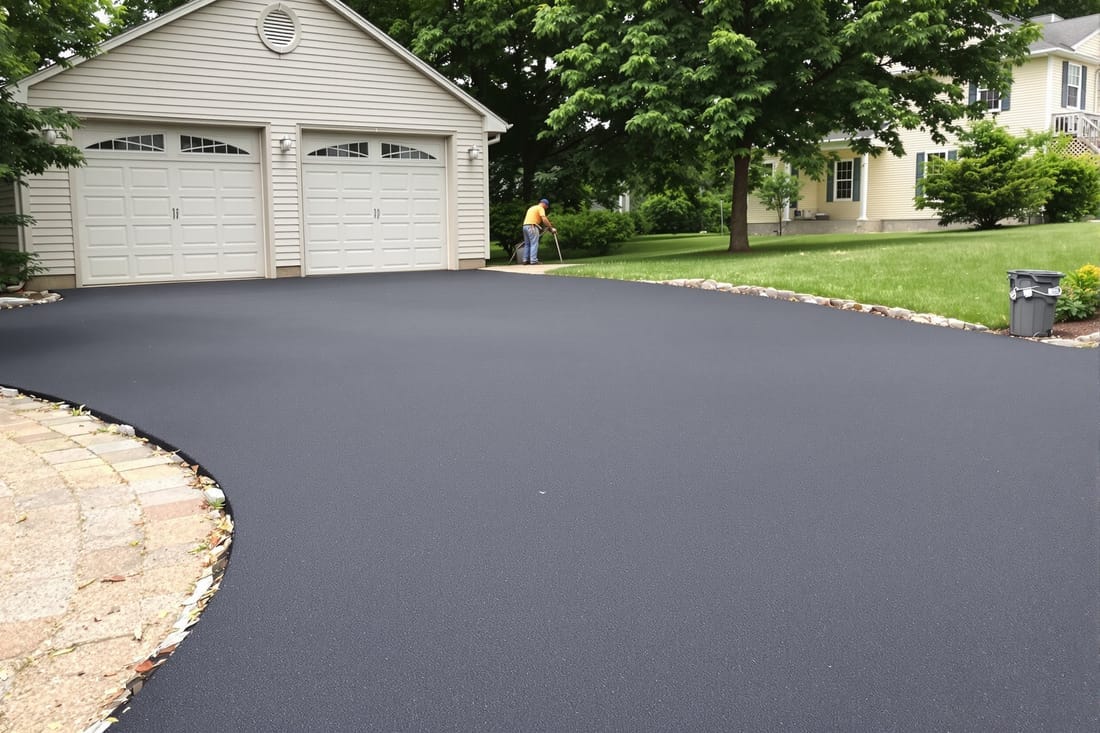
Asphalt driveway installation in Omaha, built for Nebraska seasons
An asphalt driveway in Omaha has to handle summer heat, winter freeze-thaw cycles, and regular snow removal. Precision Asphalt Omaha designs each asphalt driveway installation around those realities, not a one-size-fits-all plan. We start by looking at how you use your driveway, how water runs across your property, and the type of soil under your existing drive or lawn.
In Douglas and Sarpy Counties, many neighborhoods sit on clay-heavy soil that holds water. If we do not account for that, your new driveway can settle, crack early, or hold puddles. Our crews use local knowledge of neighborhoods from Benson and Dundee to Millard and Papillion to choose base depths and drainage details that match your specific lot, not just a general guideline.
Because we live and work here, we also plan installations around typical Midwestern weather. For example, we avoid paving when surface temperatures are too cold for the asphalt mat to compact correctly, and we schedule around rain so fresh driveways are not ruined by water running across them before they set.
Step-by-step process of a durable asphalt driveway installation
A strong driveway starts before any asphalt touches the ground. Precision Asphalt Omaha begins with a site evaluation where we measure slopes, check soil conditions, locate utilities, and note any drainage problems such as icy spots or standing water you may already have. If permits or HOA approvals are needed, we help you understand what your specific neighborhood requires.
The next step is demolition and excavation. For replacements, we remove the existing concrete or asphalt with loaders and saws, haul it to approved recycling facilities, then excavate to the design depth. For brand new driveways where there was only grass, we strip sod and topsoil to reach stable subgrade. Our crews then grade and compact the subgrade with vibratory rollers or compactors so it is solid and uniform.
We install a crushed rock base, usually a mix of local limestone or recycled concrete aggregate, in one or more lifts. Each lift is compacted tightly, and we use string lines and laser levels to set the correct slope away from your home and garage. At edges that need support, such as beside lawns or gravel, we may widen the base or recommend edging to prevent the asphalt from breaking off over time.
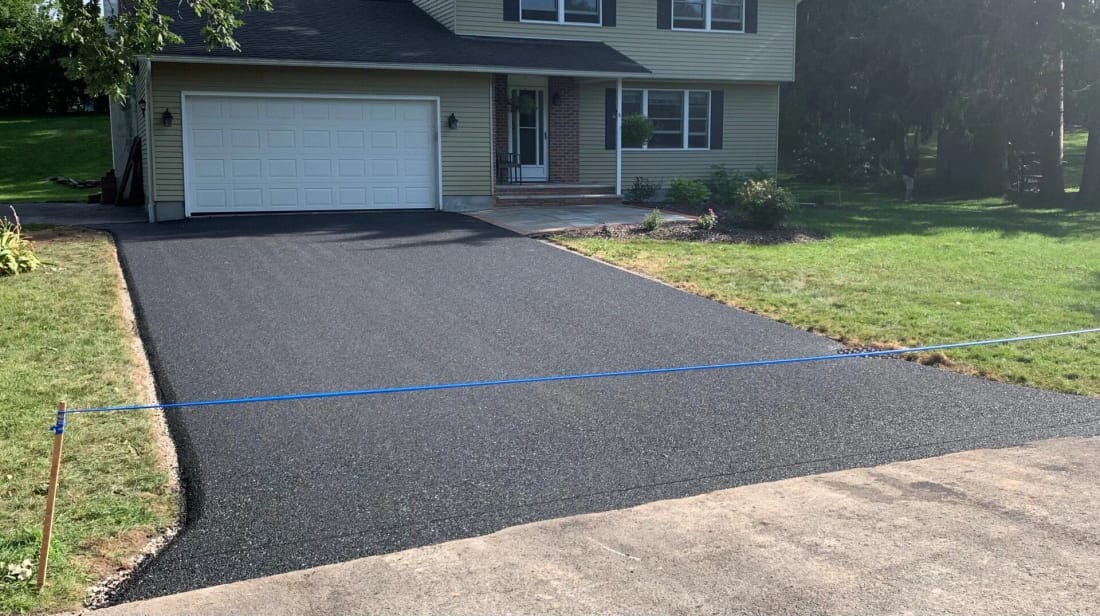
Finally, we place hot mix asphalt using a mechanical paver whenever access allows. Pavers give a more uniform thickness and smoother finish than hand spreading alone. The asphalt is then compacted with steel drum and pneumatic rollers, focusing on seams, around drains, and at transitions to streets or alleys. We cut clean joints at sidewalks and garage slabs, then seal those joints with hot or cold crack sealant where appropriate.
Design options to match your property and how you use it
Asphalt driveway installation is more than laying a black surface. There are choices you can make that affect how your driveway looks, lasts, and functions. Precision Asphalt Omaha walks you through these choices before we schedule the work.
Thickness is one of the most important decisions. A light residential driveway that only sees cars typically uses 2 to 3 inches of compacted asphalt over 4 to 6 inches of base. If you park work trucks, boats, or RVs, we often recommend thicker asphalt or deeper base, especially where the heavy vehicle sits most often. In areas like acreage lots around Elkhorn or Gretna, where heavy equipment or trailers are common, we may suggest a driveway design closer to a light commercial standard.
We can also discuss layout changes. You might prefer a wider parking pad beside the garage, a turnaround so you do not back into busy streets, or a gentle flare at the end to make it easier to pull into traffic. For homes on slopes, we pay special attention to where snow will pile and how a plow blade will travel so high spots are not scraped and low spots do not collect ice.
For appearance, we can add clean, crisp saw cuts at the street, garage, and sidewalk to create neat transitions. We also coordinate with you on edge treatments, such as leaving room for landscape borders or matching the driveway lines to existing walkways. If you plan to add lighting, irrigation, or future concrete borders, we can leave chases or clearances so your other contractors can work without damaging the new asphalt.
What affects the cost of asphalt driveway installation in Omaha
Customers often want to know why two driveways that look similar can have very different prices. At Precision Asphalt Omaha, we walk you through the main cost drivers before any work begins so you can make informed choices.
Size and shape matter first. A long or curved driveway takes more material and labor, especially if several handwork areas are needed around sidewalks, steps, or tight corners. Access is another factor. If equipment cannot easily reach the work area, more time is spent on handwork and small machinery, which adds cost.
Existing conditions can have a big impact. Removing thick or reinforced concrete costs more than removing thin, failed asphalt. Soft or wet subgrade soils may require undercutting and replacement with compacted rock. In low spots that have stayed muddy for years, we may recommend geotextile fabric below the base to keep the rock from pumping into the soil. These steps increase up front cost but prevent early failure.
Material specifications also change the budget. A thicker asphalt mat or deeper rock base costs more but increases load capacity and life span. If you park heavy vehicles or use snowplows regularly, this investment can save you from rutting and early replacement. We always provide clear written estimates that separate these options so you can see where your money is going and decide based on your priorities and how long you intend to stay in the home.
Local considerations: permits, HOAs, and Nebraska weather
In most of Omaha, replacing an existing residential driveway in-kind does not require a full building permit, but work that connects to the public sidewalk, curb, or street often falls under the City of Omaha right-of-way rules. Precision Asphalt Omaha is familiar with local requirements and can advise when a right-of-way permit or inspection may be needed, especially if we are adjusting the approach at the street.
If you live in a neighborhood with a homeowners association, there may be guidelines for driveway width, location, and sometimes appearance. While asphalt color is generally accepted, some HOAs restrict adding new parking pads or widening beyond a certain point. We encourage you to review your covenants, and we can provide simple sketches or scope descriptions to submit to your HOA board if required.
Nebraska weather affects both scheduling and long-term performance. We avoid asphalt driveway installation during extreme cold, heavy rain, or when overnight temperatures are expected to drop sharply, since that can prevent proper compaction and bonding. For long-term performance, we build driveways with freeze-thaw in mind, which means good drainage, thicker bases in problem soils, and slopes that move water to grass or street inlets rather than toward your foundation.
Because snow and ice are a fact of life in Omaha, we explain best practices for plowing and deicing, such as using rubber or poly edges on plows when possible and avoiding certain deicers during the first winter so the surface has time to fully harden.
Common driveway problems and how we prevent them
Many of the calls we get involve driveways that are not very old but already have issues. Precision Asphalt Omaha uses those experiences to refine our installation process so your new driveway is less likely to suffer from the same problems.
One frequent issue is ponding water. Small puddles can turn into icy patches in winter and weaken the asphalt over time. We prevent this by carefully setting elevations and checking slopes with levels and straightedges during base work and after paving. If your lot is very flat, we may suggest adding a trench drain or area drain so water has a defined place to go.
Another problem is edge cracking and breaking where cars drive off the sides. We reduce this risk by extending the compacted rock base beyond the visible edge of the asphalt and, if needed, recommending concrete ribbons, paver borders, or simple landscape edging to support and protect the sides.
Premature cracking often comes from a weak base or insufficient thickness for the traffic it carries. In areas where we know soils are poor, we candidly tell you if a proper base improvement is needed. That might include deeper excavation, additional rock, or stabilization fabric. Skipping these steps can lower the initial price but usually leads to earlier repairs.
We also think ahead about future maintenance. Clean joints at garages and sidewalks, good drainage, and solid compaction make it easier and more effective to sealcoat and crack seal in later years, which can extend the usable life of your driveway.
What to expect when you choose Precision Asphalt Omaha
We know any construction project at your home is disruptive, so our goal is to keep your asphalt driveway installation organized and predictable. Before work starts, we provide a written scope that explains the planned thickness of asphalt and base, how we will manage drainage, and how long we expect the work to take. Typical residential projects, once scheduled, take one to three days of active work depending on complexity.
Our crew arrives with the necessary equipment, sets up safety cones or tape as needed, and confirms the layout with you before cutting or excavation. During the project, we keep you updated about what is happening and when you will lose and regain access to your garage or parking areas. If unexpected conditions appear, such as buried rubble or soft spots, we show you the problem and discuss options on the spot so there are no surprises at the end.
After paving, we advise you on cure time. In Omaha summers, light vehicles can usually drive on a new driveway within 24 to 48 hours, but we recommend waiting longer for heavy vehicles and avoiding tight turning or stationary steering for the first week. We also give you practical maintenance tips, including when to consider the first sealcoat, how to manage snow removal, and what small signs of wear to watch for over the years.
From first estimate to final roller pass, Precision Asphalt Omaha focuses on clear communication, honest recommendations, and installation practices suited to our local soil and climate, so your new asphalt driveway is a lasting improvement to your property.