Home › Asphalt Pathways, Sidewalks, and Trails
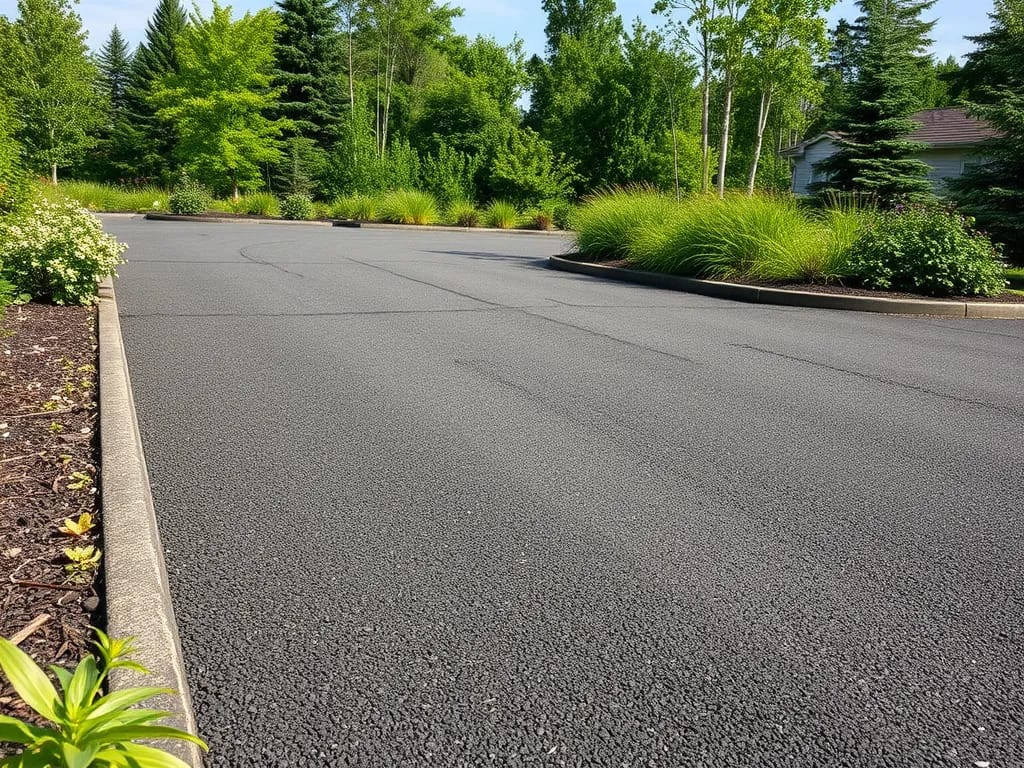
Connect your site with smooth asphalt pathway paving in Omaha, NE. We build sidewalks, bike paths, and multi use trails for parks, schools, and campuses. Our paths are designed for accessibility, consistent slopes, and comfortable travel for walkers, cyclists, and strollers.
Precision Asphalt Omaha provides professional asphalt pathway paving throughout Omaha, NE, Nebraska and the surrounding area. Our licensed, insured crew delivers safe, clean, on-time work with a free estimate before anything begins. Call (402) 370-7792 or request your free quote.
Asphalt Pathways, Sidewalks, and Trails in Omaha, NE
Asphalt pathways, sidewalks, and trails see a lot of use in Omaha. Kids bike on them, neighbors walk dogs on them, and joggers rely on them all year. Precision Asphalt Omaha builds these surfaces to handle daily foot traffic plus our freeze and thaw cycles, so you are not calling for repairs every spring.
When we look at a new pathway project, we start with how it will actually be used. A narrow residential sidewalk that connects a driveway to a front door is very different from a multi use trail along a park or lake. We ask about stroller use, bikes, mobility devices, light maintenance vehicles, and snow removal methods. Those details change how thick we make the base and asphalt, how we design slopes, and what kind of edges we install.
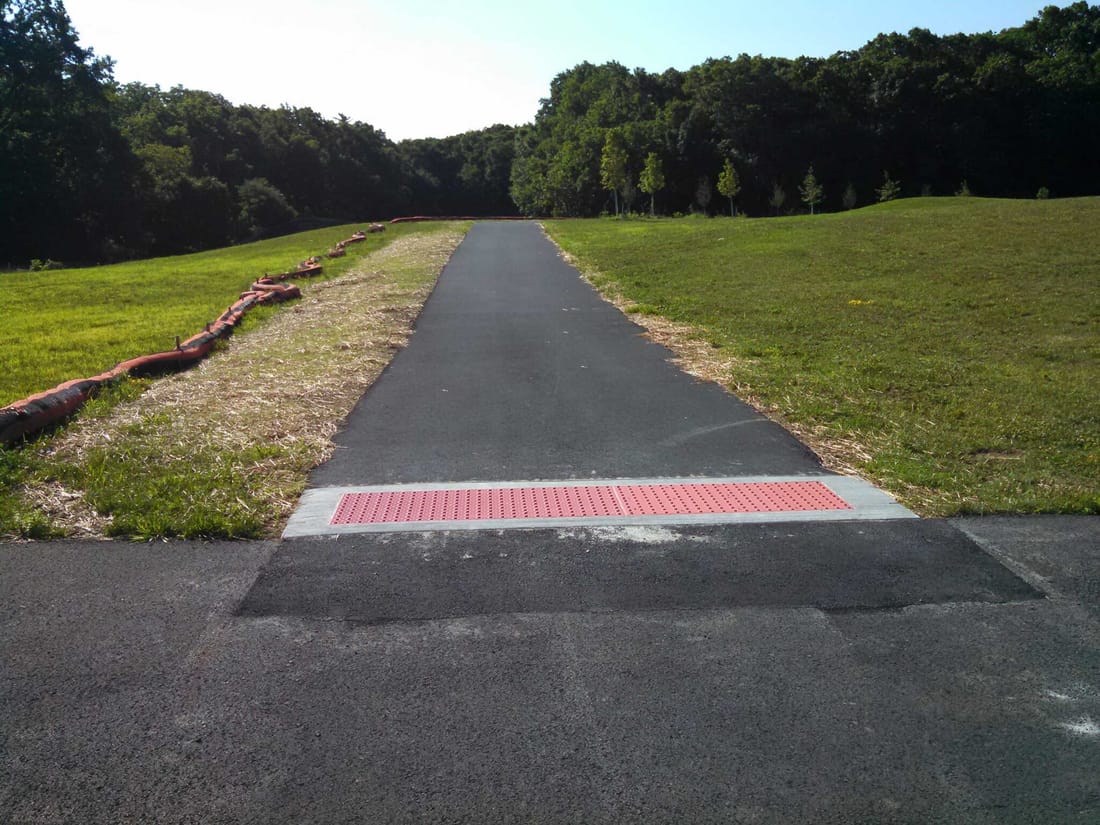
Local conditions around Omaha matter. In older neighborhoods like Benson or Field Club, tree roots and existing utilities can limit where and how a new asphalt sidewalk can go. In newer subdivisions, drainage is usually better, but we often need to tie into concrete curb and gutter without leaving a lip that can catch snow blades or trip pedestrians. Precision Asphalt Omaha crews build to the built environment that is already there, not some generic plan that ignores your property.
How We Build Long Lasting Asphalt Pathways
For a typical asphalt pathway or sidewalk in Omaha, the work starts below the surface. We strip 4 to 12 inches of soil, depending on the traffic and the existing ground. Soft, black topsoil and clay get removed until we hit firm subgrade. If we find wet or pumping spots, we dig deeper and may bring in a geotextile fabric so the base rock does not disappear into the mud over time.
Next we install the base rock, usually 3/4 inch crushed limestone from local quarries. For light residential walkways, 4 inches of compacted base is a common starting point. For shared use trails that might see service vehicles or heavier loads, 6 to 8 inches is more realistic. We place the rock in layers and compact each layer with plate tampers or vibratory rollers until it is tight and does not rut under a loaded wheelbarrow.
Once the base is shaped to the right slope for drainage, the crew sets string lines or uses a laser level to keep the pathway consistent in thickness and cross slope. For accessibility, we keep cross slope modest, typically around 2 percent, so water sheds but walking and wheeling are comfortable. We also consider how snow and ice will melt in winter, avoiding low spots that become ice patches in January.
The asphalt layer itself is usually 2 to 3 inches compacted thickness for walkways and small trails. Precision Asphalt Omaha chooses a finer mix with smaller aggregate for pathways so the surface is smoother for walkers, runners, and bicycles. The mix is delivered hot from the plant, spread with a small paver or by hand on tight curves, then compacted while it is still workable. We watch mat temperature and roller passes so the finished thickness is even and there are no weak seams that can open up when it freezes.
Design Options and Layout Choices
A good asphalt pathway is planned for how people actually move through a space. Before we price or schedule work, Precision Asphalt Omaha walks the route with the owner, points out potential pinch points, and looks at how water already flows across the property. Cutting across a natural drainage swale can be done, but we often add a culvert or deepen ditches so water can pass without washing out the edges of the path.
Width is one of the biggest design decisions. A simple sidewalk from driveway to front door might be 4 feet wide so two people can pass without stepping into the grass. Backyard garden paths may be only 3 feet wide if space is tight. For neighborhood trails that share use between walkers, bikes, and strollers, we typically recommend 8 to 10 feet. This keeps bikes from constantly dropping off the edge or forcing walkers into the grass.
We also talk about edge treatments. An asphalt pathway can be left with compacted soil and grass along the sides for a softer look and lower cost. Where edges have a lot of traffic or slope, we sometimes install a narrow concrete ribbon or a heavier rock shoulder so the edge does not crumble under wheels or snow blowers. In shaded or tree lined routes, we may slightly thicken the edge where roots are likely to grow, and we show owners how to spot early heaving before it becomes a tripping hazard.
Curves and intersections are another planning point. Tight corners are hard for strollers and bikes and they wear faster on the inside edge. When space allows, we open up curves with a larger radius so turns feel natural. At intersections of multiple trails, we often flare the width for a short distance so groups can gather or pass without tearing up the turf beside the asphalt.
Costs, Scheduling, and Omaha Weather Considerations
Pathways and sidewalk projects are heavily driven by preparation work and site conditions. Two paths that look similar on paper can have very different costs in the field. Precision Asphalt Omaha breaks down estimates into clearing and demolition, base and grading, asphalt materials and installation, and any extras like drainage features or concrete tie ins. This helps owners see where the money is actually going and decide what is worth upgrading.
Tree removal, root cutting, and clean hauling of spoils can add up, especially in mature Omaha neighborhoods with big maples and oaks. If we can adjust the layout slightly to avoid major roots, we will usually suggest that first, because it protects the tree and saves cost. Utility conflicts are another factor. We call in locates, but if a gas or water line runs right under the planned route, we might raise or shift the pathway so future utility work does not break up the asphalt.
Weather timing is important here in Nebraska. Asphalt pathway paving works best when daytime temperatures stay above 50 degrees and nights are not dropping far below freezing. In Omaha, that usually means main paving season from mid April through October. Early spring and late fall we watch forecasts closely. It is better to delay a day than to place asphalt that cannot be compacted correctly before it cools.
Rain matters too. We can work around light sprinkles, but we will not pave over a soaked base. Trapping water under an asphalt sidewalk is one of the fastest ways to get frost heave and cracking in the first couple of winters. If we grade a path and a storm moves in, we may come back to touch up the base, re compact, and check slopes again before paving so you are not stuck with hidden soft spots.
Maintenance, Common Problems, and How We Address Them
Even a well built asphalt pathway in Omaha will need some care over time. Precision Asphalt Omaha walks customers through what to expect so there are no surprises. Hairline surface cracks in the first few years can be normal as the material adjusts, especially after the first winter. If they remain narrow and do not show movement, they are mainly cosmetic. Wider cracks, birdbaths that hold water, and raised or sunken panels are the ones that should be fixed.
The most common issues on local sidewalks and trails are edge cracking, low spots that pond water, and root lifting. Edge cracking often comes from heavy loads right on the edge such as plow blades, vehicles cutting the corner, or erosion that leaves the asphalt unsupported. We usually repair this by saw cutting back to solid material, rebuilding the base wider, and adding a supported edge so the problem does not return next season.
Low spots that become icy in winter usually show up the first or second year. If they are minor, we can sometimes level with a thin lift of asphalt overlay, feathered in so there is no bump. If they are deeper or cover a large area, we remove the asphalt, correct the base grade, and repave that section. This is one reason we pay close attention to slopes during the initial build, but settling in some Omaha soils is still possible.
Tree roots are a long term concern on any pathway. We prefer planning routes outside the main root zone, but when a root starts lifting a section, we can either cut and remove the root segment (with advice from a tree professional if the tree is important) or re route the path slightly. In either case, we avoid just grinding and patching over the hump, because that almost always comes back. For long city style sidewalks, we might add control joints or narrow gaps at predictable points so slight movement happens there instead of randomly under the middle of a panel.
Routine maintenance for asphalt walkways is simple. Keep edges backed with soil or rock so they do not hang in the air, clear leaves and debris in fall so water is not trapped, and use ice melt products that are suitable for asphalt. Sealcoating is sometimes used on heavily used trails to slow oxidation and keep the surface smooth, though it is not always necessary on low traffic residential paths. During an on site visit, we can give a plain answer on whether sealing makes sense for your specific pathway or sidewalk.