Home › Gravel-to-Asphalt Conversions
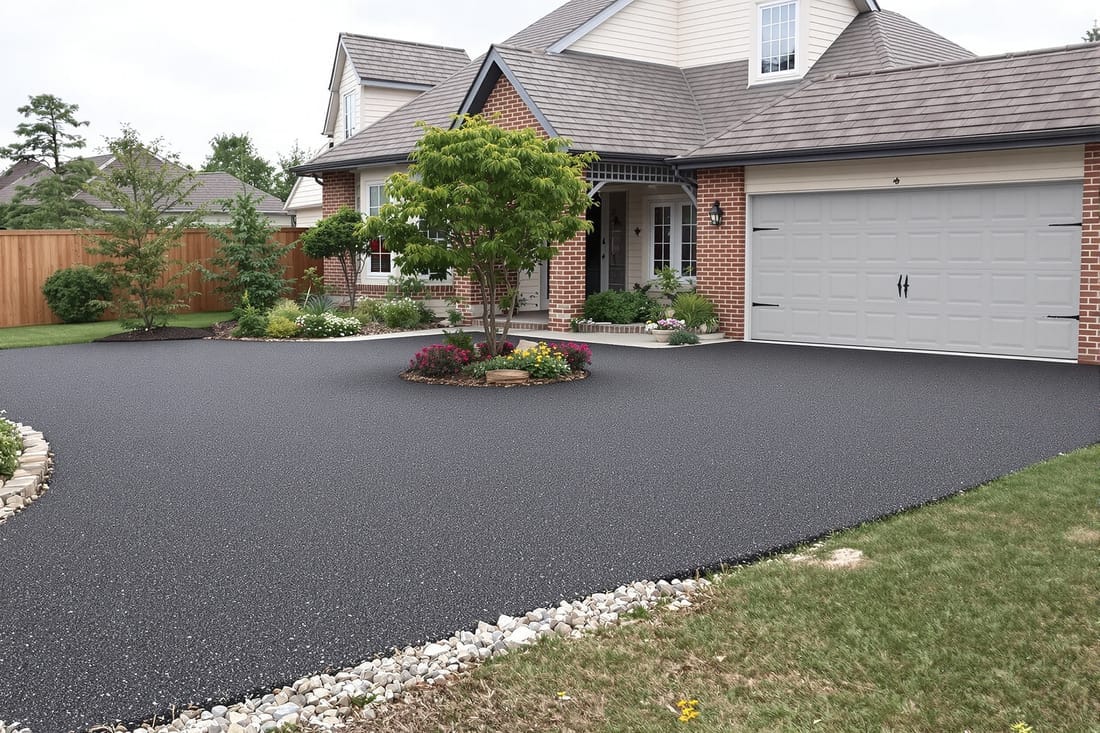
Tired of ruts and dust from a gravel drive. Our gravel to asphalt driveway service in Omaha, NE upgrades your lane to a smooth, clean blacktop surface. We regrade, compact, and install asphalt at the right thickness for your vehicles and site conditions.
Precision Asphalt Omaha provides professional gravel to asphalt driveway throughout Omaha, NE, Nebraska and the surrounding area. Our licensed, insured crew delivers safe, clean, on-time work with a free estimate before anything begins. Call (402) 370-7792 or request your free quote.
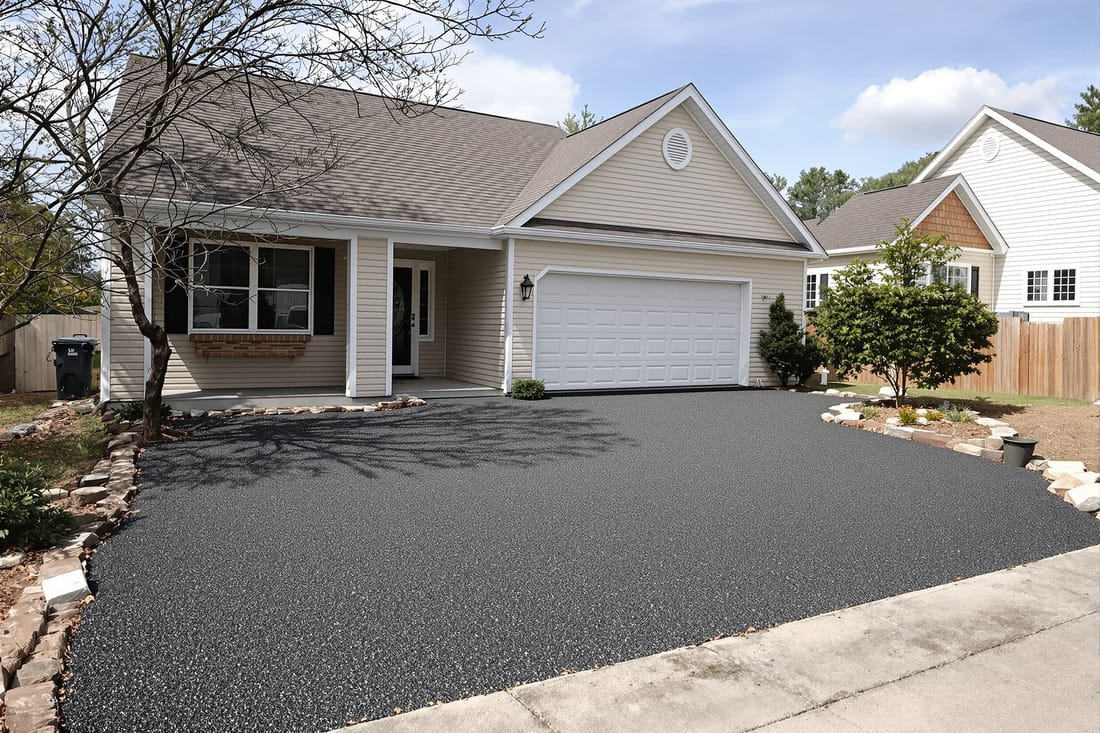
Turn Your Gravel Driveway Into a Clean, Solid Asphalt Surface
If you are tired of ruts, dust, and mud from your gravel driveway, Precision Asphalt Omaha converts gravel to asphalt driveways built for Nebraska weather and soil. We work all over the Omaha metro, from older neighborhoods near Benson and South Omaha to newer builds in Papillion and Gretna, and we see the same issues again and again: soft spots under the gravel, poor drainage, and driveways that wash out every heavy rain.
A proper gravel to asphalt conversion is not just spreading blacktop over what you already have. If the base under your gravel is not corrected, your new driveway will crack or sink within a few seasons. Our crews start with a site visit, walk the full length of your drive, check slope and drainage, and look for problem areas like low spots, soft edges, and where water runs off your roof or down your yard.
We then recommend a design that fits how you actually use the property. A narrow driveway on an older Dundee home, a wide side-load drive in Elkhorn, or a long acreage lane outside Omaha each needs a different approach in thickness, base depth, and edge support. Everything is built around giving you a smoother pull in and out, less mess in winter, and a driveway that is easy to shovel and snow blow.
Step-by-step: How We Convert Gravel To Asphalt Driveways
A quality gravel to asphalt conversion has a clear sequence of steps. Skipping any of them is usually why driveways fail early.
1. Evaluation and layout
We measure your existing gravel drive, check the current gravel depth, and locate utilities where needed. We confirm where you want the asphalt to start and end, how wide it should be for parking or turnarounds, and whether you need a thicker section where heavy trucks or trailers sit.
2. Grading and base correction
We regrade the existing gravel so water sheds toward a ditch, street, or yard area instead of pooling. In many Omaha driveways, especially those built on old clay fill, we find soft pockets under the gravel. Those sections are undercut and rebuilt with new crushed rock. We usually target 4 to 8 inches of compacted base for a standard residential driveway, using limestone or recycled concrete depending on what suits your budget and soil.
3. Compaction
Once the base is shaped, we compact it using a vibratory roller. This step locks the stone together and reduces future settling. You will see us make multiple passes in different directions. On longer acreage drives near Bennington or Springfield, we may compact in sections to keep everything uniform and tight.
4. Asphalt installation
For most homes, we install 2.5 to 3 inches of hot mix asphalt in two layers, a binder course and a surface course. The binder course is slightly coarser and provides strength. The top course is finer and gives you a smoother finish. We place the asphalt with a paver where access allows and use hand tools to shape tight areas near garages, sidewalks, and steps.
5. Edges, joints, and cleanup
Driveway edges are compacted and trimmed so they do not break off when you drive near the side or run a mower along it. Where the new asphalt meets existing street or alley pavement, we create smooth transitions so you are not hitting a bump every time you leave the house. Finally, we sweep, haul off loose material, and walk the job with you so you know how to treat the surface in the first few days.
Design Choices, Thickness, and Options for Omaha Properties
There is no single standard gravel to asphalt driveway that fits every Omaha homeowner. Precision Asphalt Omaha walks you through choices that affect both cost and performance so you understand where your money is going.
Driveway thickness and structure: In typical city or suburban neighborhoods, a 3 inch finished asphalt thickness over a solid base is usually suitable for cars, SUVs, and light trucks. For rural properties, shared drives, or areas where delivery trucks, horse trailers, or RVs park regularly, we may recommend up to 4 inches of asphalt or a thicker rock base under the same asphalt thickness. This is especially important on acreage lots west of Omaha where heavy equipment is common.
Width and layout: Many older Omaha homes still have narrow gravel lanes that are hard to navigate in modern vehicles. During a conversion, you can often widen the drive by a foot or two on one or both sides for easier door opening and safer backing. On cul-de-sac or corner lots, adding a small asphalt parking pad or turn-around can keep you from backing into busy streets.
Surface options: Most residential driveways use a standard black hot mix asphalt that compacts to a smooth finish. If you want a more textured appearance or additional traction on steeper slopes, we can adjust the surface mix to leave a slightly more open texture. For customers concerned about heat near entryways, we discuss shading, landscaping, and sealcoat options that can help manage surface temperature.
Edging and transitions: On gravel conversions, edges matter more than people expect. Without support, the edge of a new asphalt driveway can ravel where tires run close to the side. We can add a small gravel shoulder, taper into your yard, or in some cases install concrete or paver borders near sidewalks or front entries to keep things looking sharp and reduce edge wear.
What Drives Cost and How We Prevent Common Problems
No two gravel to asphalt driveway projects price out the same, even if they look similar from the street. Precision Asphalt Omaha is upfront about what affects cost and how we control problems that typically cost homeowners more later.
Major cost drivers:
• Base repair and thickness. If your gravel is already sitting on a firm, well packed base, costs are lower. If we find deep mud layers, organic soils, or buried debris (common on older infill lots in parts of South Omaha), we need to remove and rebuild those spots or the asphalt will fail.
• Length and access. Long, narrow drives that are difficult for trucks and pavers to reach can take more time and equipment moves. Acreage drives that are 300 feet or more may benefit from slight design changes that save you money without giving up durability.
• Drainage corrections. Adding swales, small culverts, or tying into existing drainage systems can add to the project total, but it prevents frost heave and potholes where water sits and freezes.
Common problems and how we handle them:
Soft spots and tire ruts: If your current gravel has chronic ruts that return after every rain, it usually means the base is weak. We dig out and replace those areas with larger stone and compact it in lifts so the problem does not carry into the new asphalt.
Standing water: Driveways that are flat or pitched toward the house can send water into garages or basements. During the conversion, we adjust slopes where possible, add shallow drainage channels, or recommend simple yard grading changes to move water away from structures.
Seasonal timing: In the Omaha area, we avoid paving on frozen ground or during extended cold snaps, since that can trap moisture and weaken the bond between layers. The main paving season typically runs from late spring through fall, though small projects can sometimes be done earlier or later if conditions cooperate. We schedule your project so the asphalt has enough warmth and time to compact and cool properly.
What Omaha Homeowners Should Know Before Hiring
Before you hire anyone to convert a gravel drive to asphalt, there are a few practical checks you should make. They will help you avoid thin, short-lived work that looks good for only a year or two.
Ask about base work, not just asphalt depth. A contractor who only talks about inches of asphalt but does not mention gravel base depth, soil conditions, or compaction method is skipping half the job. For most Omaha driveways, you should hear clear numbers for both rock base and asphalt thickness, and a plan for handling any soft spots.
Confirm drainage and slope. Your contractor should be able to explain where water will go once the driveway is paved, how they will avoid sending water toward your house or neighbor, and what happens during heavy rains or rapid snow melt. If they cannot show this on site, keep looking.
Check equipment and crew experience. Gravel to asphalt conversions require more grading and base work than installing a driveway on new construction. Ask if the company has its own graders, rollers, and compactors, and how often they work on existing gravel drives versus new builds. At Precision Asphalt Omaha, conversions are a regular part of our schedule, not an occasional side job.
Get a written scope, not just a lump sum price. Your proposal should spell out removal or scarifying of existing gravel, base depth, asphalt thickness, and any drainage or edge work. This helps you compare bids fairly and gives you something to refer back to if there are questions during the project.
If you want to discuss a gravel to asphalt driveway for your Omaha area home or acreage, we can walk your property, explain the options in plain language, and give you a clear, itemized plan so you know exactly what you are getting and why it is built that way.