Home › Private Road and Lane Paving
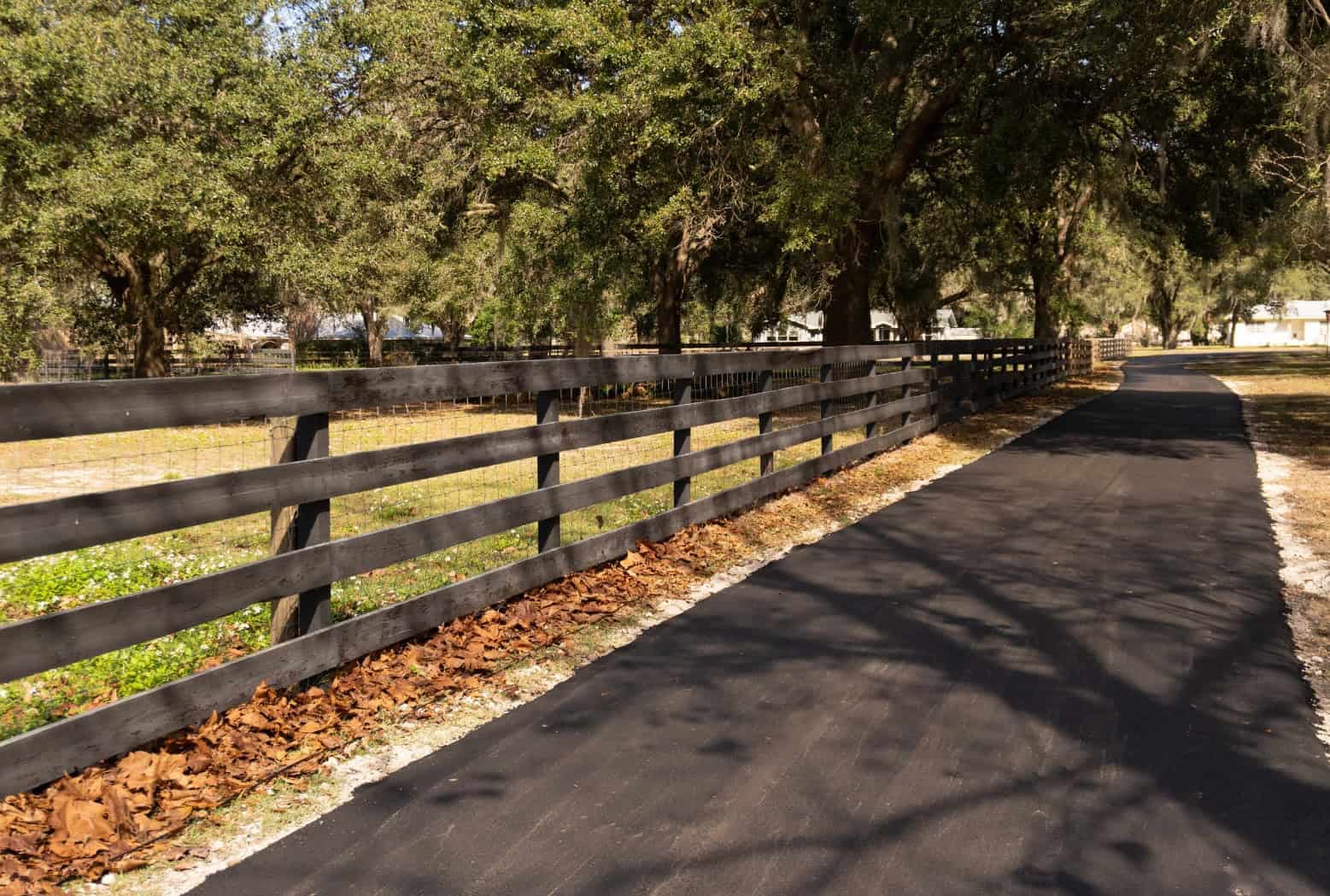
Improve access to your property with professional private road paving in Omaha, NE. We construct and rebuild long lanes, shared drives, and rural access roads with the right base and asphalt thickness for your traffic. Our crews focus on drainage so your road holds up through wet seasons and freeze thaw cycles.
Precision Asphalt Omaha provides professional private road paving throughout Omaha, NE, Nebraska and the surrounding area. Our licensed, insured crew delivers safe, clean, on-time work with a free estimate before anything begins. Call (402) 370-7792 or request your free quote.
Private Road Paving for Omaha Properties
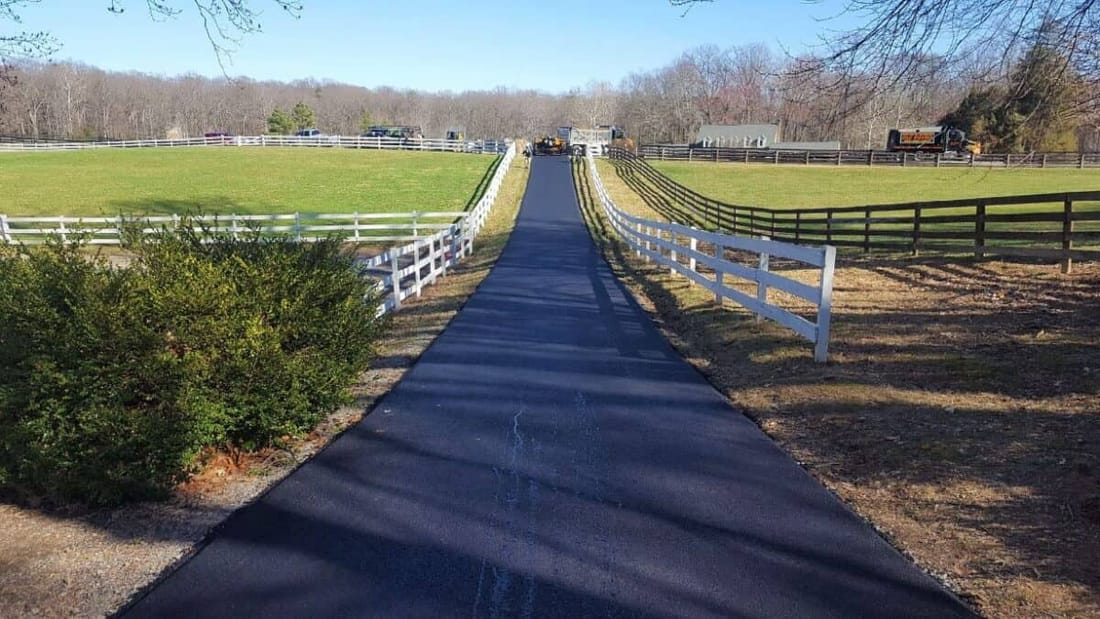
If you own or manage a long driveway, shared lane, or private road in the Omaha area, you need paving that can stand up to local traffic and Nebraska weather. Precision Asphalt Omaha specializes in private road and lane paving for acreage homes, small developments, farm drives, and commercial access roads throughout Omaha and the surrounding communities.
Unlike short residential driveways, private roads deal with heavier vehicles, more frequent traffic, and longer exposure to drainage problems. That means the pavement design, base thickness, and water management must all be customized. Our team evaluates how your lane is actually used, from light car traffic in a Millard cul-de-sac to grain trucks or delivery vehicles on rural edges outside Elkhorn, then designs a pavement structure that fits.
We combine local experience with detailed site evaluation so your private road does not just look good when it is new but holds up over many freeze and thaw cycles with minimal maintenance.
How We Evaluate Your Private Road or Lane
Every successful private road paving job in Omaha starts with a thorough site assessment. Precision Asphalt Omaha begins by walking or driving the full length of the road, taking note of existing ruts, soft spots, standing water, and where snowmelt typically flows.
We check soil conditions because our area has a mix of clay-heavy soils, loess hills, and fill material around newer subdivisions. Clay and fill can move when soaked, which leads to cracking and potholes if the base is not designed correctly. We use probing and, when needed, test pits to see how thick the existing base is and whether it can be reused or must be rebuilt.
We also look at slopes and ditches. Private lanes in low spots or running between fields often lack adequate crown or drainage outlets. We measure the road width, shoulder condition, and tree lines that might affect sun exposure and winter icing. After this evaluation, we can propose whether full-depth reconstruction, overlay, or partial reclamation is the right approach, along with a clear explanation of the pros and cons for your specific property.
Step-by-Step Private Road Paving Process
Once we agree on the plan, Precision Asphalt Omaha follows a structured process to make sure your private road is built correctly from the ground up.
1. Clearing and stripping: We remove vegetation, topsoil, and any organic material that will weaken the base. For older gravel or broken asphalt lanes, we remove loose material and decide what can be reused.
2. Subgrade preparation: We shape the existing soil to establish the proper crown (a slight center height to shed water) and ditches or swales. Soft or pumping areas are undercut and replaced with more suitable material or stabilized aggregate.
3. Base installation: A crushed rock or recycled asphalt base is placed and compacted in layers. For most private roads in Omaha, base thickness runs from 4 to 8 inches, depending on soil and traffic. We use vibratory rollers sized to match the road width to ensure even compaction across the lane.
4. Fine grading and proof rolling: We fine grade for smoothness and consistent slope, then proof roll the road with a loaded truck or roller to reveal any hidden soft spots that need correction before paving.
5. Asphalt paving: Hot mix asphalt is delivered from local Omaha plants and placed with a paver. For most private roads we recommend at least 3 inches of compacted asphalt in one or two lifts. Heavier-use roads may need thicker sections. We compact with steel and pneumatic rollers while monitoring mat temperature for proper density.
6. Joint sealing and edges: We treat longitudinal joints, tidy edges, and, if required, add gravel shoulders to support the asphalt edge and improve drainage.
7. Final inspection: We walk the road with you, review drainage paths, and explain curing times and when heavier vehicles can use the new surface.
Material and Design Options for Your Road
Private road paving is not one-size-fits-all. Precision Asphalt Omaha offers design options that match different property types, budgets, and performance expectations.
For rural acreages and farm drives, we often recommend a thicker aggregate base with a robust asphalt surface mix that includes larger aggregate for strength. In neighborhoods and HOA lanes serving passenger vehicles, a slightly thinner section with a finer surface mix can provide a smoother, quieter ride while still lasting many years.
You can choose between a single-lift asphalt installation, which is suitable for lighter traffic, or a two-lift system where a base course mix goes down first and a finer surface course finishes the top. Two-lift systems cost more but allow for a tougher underlying layer and better ride quality on top, which is valuable on longer lanes.
We also discuss drainage features, like adding shallow ditches, culverts under drive entries, or minor regrading of adjoining yards or fields to prevent water from running down the road. For some gravel roads, we can use full-depth reclamation, where the existing gravel is milled and blended with asphalt or cement and then paved over, which can reduce costs while improving structural strength.
If your private road ties into a public street in Omaha, we make sure the connection meets the city or county requirements, including apron shape and any required concrete transitions.
What Drives the Cost of Private Road Paving
Cost for private road paving in Omaha depends on more than just the length of the lane. When Precision Asphalt Omaha prepares a quote, we take into account several specific factors and explain each one so there are no surprises.
Key cost drivers include:
• Length and width: A longer or wider road obviously uses more materials, but small projects can sometimes have higher per-foot costs because mobilizing crews and equipment is similar no matter the size.
• Base condition: If your existing lane has a solid, thick gravel base, we may be able to reuse much of it, lowering costs. If the base is thin or soft, we need more excavation and new rock, which adds time and material.
• Soil stability: Clay-heavy or wet ground often requires more undercutting, geotextile fabric, or additional base thickness to prevent future failure.
• Drainage improvements: Installing culverts, reshaping ditches, or regrading nearby areas is an upfront investment that prevents washouts and edge failure, but it does increase project scope and cost.
• Traffic type: Occasional cars versus daily delivery trucks or farm equipment makes a big difference. Heavier traffic needs thicker asphalt and base to prevent rutting.
We provide itemized estimates that show how these elements affect your price and can propose alternatives, such as phasing work or adjusting design thickness, to fit your budget without sacrificing durability where it matters most.
Common Private Road Problems in Omaha and How We Prevent Them
Local conditions in Omaha create specific issues for private roads. Precision Asphalt Omaha designs and builds with these in mind so you do not end up with the same headache every spring.
Freeze and thaw cycles: Our winters and shoulder seasons mean pavements repeatedly freeze and thaw, which can push up weak areas and open cracks. We address this by ensuring proper drainage, using suitable base thickness, and recommending timely crack sealing after the first couple of years of service.
Poor drainage and standing water: Many private lanes, especially those cut through flat fields or low spots, trap water. We add crown to the road surface, shape ditches, and make sure drive entries and culverts allow water to cross under the road, not over it. Proper drainage is usually the most important factor in long-term performance.
Rutting from heavy vehicles: If your lane sees propane trucks, delivery vans, or farm equipment, rutting can occur where tires track. We prevent this by thickening both base and asphalt in wheel paths or designing the entire section for heavier loads from the start.
Edge crumble: Narrow private roads often have no shoulder, so the outer edge breaks off under traffic. We solve this by adding gravel shoulders, tapering edges correctly, and advising drivers to stay off the very edge during the first few weeks while the asphalt gains strength.
Dust and mud from former gravel roads: When converting from gravel to asphalt, we focus on creating a uniform, compacted base so fines are locked in and do not migrate, eliminating dust and spring mud while preserving access in wet weather.
What to Expect When You Work With Precision Asphalt Omaha
We understand that private road paving affects how you, your family, or your tenants access the property day to day. Precision Asphalt Omaha plans projects to minimize disruption while getting the job done correctly.
Before work begins, we schedule a site meeting to discuss access needs, such as keeping one lane open or planning temporary parking areas. For shared lanes or HOA roads, we can provide a simple notice letter or email outline that you can send to residents explaining dates, access limits, and when vehicles can drive on the new surface.
During construction, our crew chief is your single point of contact. You will know who to call if you have questions about timing, deliveries, or weather delays. We monitor local forecasts closely, because asphalt must be placed at the right temperature, and adjust schedules to avoid paving in unsuitable conditions.
After paving, we explain cure time and best practices, such as avoiding sharp turning of heavy vehicles in the same spot, placing trailers on boards instead of jack stands directly on the asphalt, and when to schedule the first sealcoat if you choose to have one. We also review a basic maintenance plan, including when to inspect for small cracks and how often gravel shoulders should be dressed.
Our goal is to leave you with a smooth, durable private road that fits the way your property is actually used and to make sure you understand how to protect that investment over the long term.