Home › Commercial Gravel-to-Asphalt Conversions
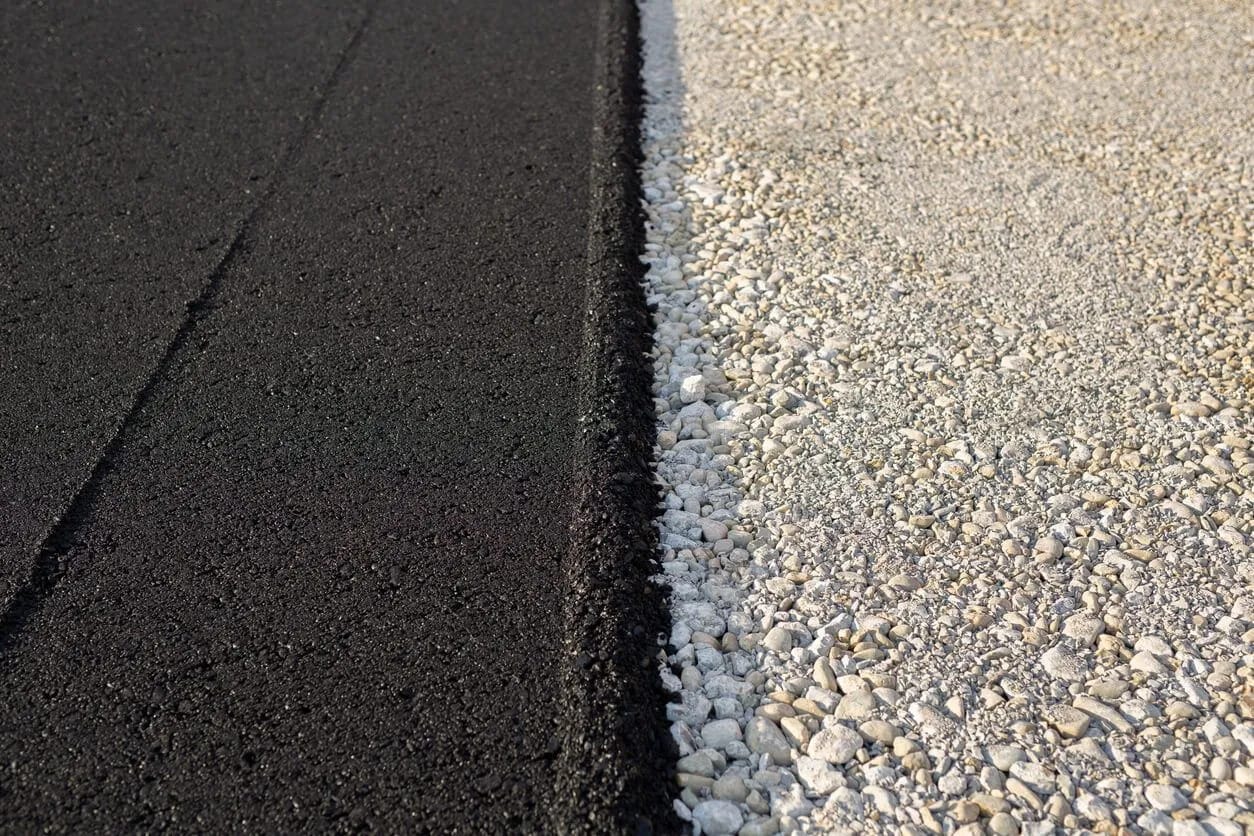
Upgrade dusty, rutted surfaces with commercial gravel to asphalt conversions in Omaha, NE. We transform gravel lots and access roads into smooth, low maintenance asphalt for customers and trucks. Our team evaluates base conditions and designs pavement sections that match your traffic and budget.
Precision Asphalt Omaha provides professional commercial gravel to asphalt throughout Omaha, NE, Nebraska and the surrounding area. Our licensed, insured crew delivers safe, clean, on-time work with a free estimate before anything begins. Call (402) 370-7792 or request your free quote.
Turn Your Gravel Lot Into Reliable Asphalt in Omaha
If you are tired of dust clouds in summer and ruts in spring, a commercial gravel to asphalt conversion can completely change how your property works. At Precision Asphalt Omaha, we help local businesses turn loose, high‑maintenance gravel lots into smooth, striped asphalt surfaces that handle Nebraska weather, heavy vehicles, and daily traffic.
A proper conversion is more than just paving over gravel. We evaluate the existing base, drainage, traffic patterns, and how your operation actually uses the space. Many Omaha properties were graded years ago for gravel only, so we often find low spots that collect water, soft subgrade soils near the Missouri River corridor, and undersized entrances for today’s delivery trucks. We address these issues before paving so your new asphalt lot lasts instead of cracking and settling after the first couple of winters.
Whether you manage a warehouse in the North Omaha industrial area, a church parking lot in Millard, or a retail center off West Dodge Road, we tailor the design of your new asphalt surface to your specific use, not just to a generic standard detail.
How Commercial Gravel-to-Asphalt Conversions Actually Work
Every commercial gravel to asphalt project follows a similar roadmap, but the details depend on your site. Here is how Precision Asphalt Omaha typically handles a conversion in the Omaha area.
First, we perform a site assessment and elevations check. We walk and drive the lot to locate soft areas, standing water, and drainage paths, then shoot grades to see how water is moving across and off the site. On many local gravel lots we find that existing crown slopes are too flat for asphalt, so we adjust the design to achieve at least a 1.5 to 2 percent slope for drainage.
Next, we prepare the base. We strip organic material along the edges, then use a reclaimer or grader to uniformly blend and recompact the existing gravel. If the gravel layer is thin or contaminated with clay, we import additional crushed rock, often a locally available 3/4 inch minus, and compact it in lifts with vibratory rollers to reach the required density. In low or pumping areas we may undercut and replace several inches of subgrade with new aggregate to eliminate soft spots.
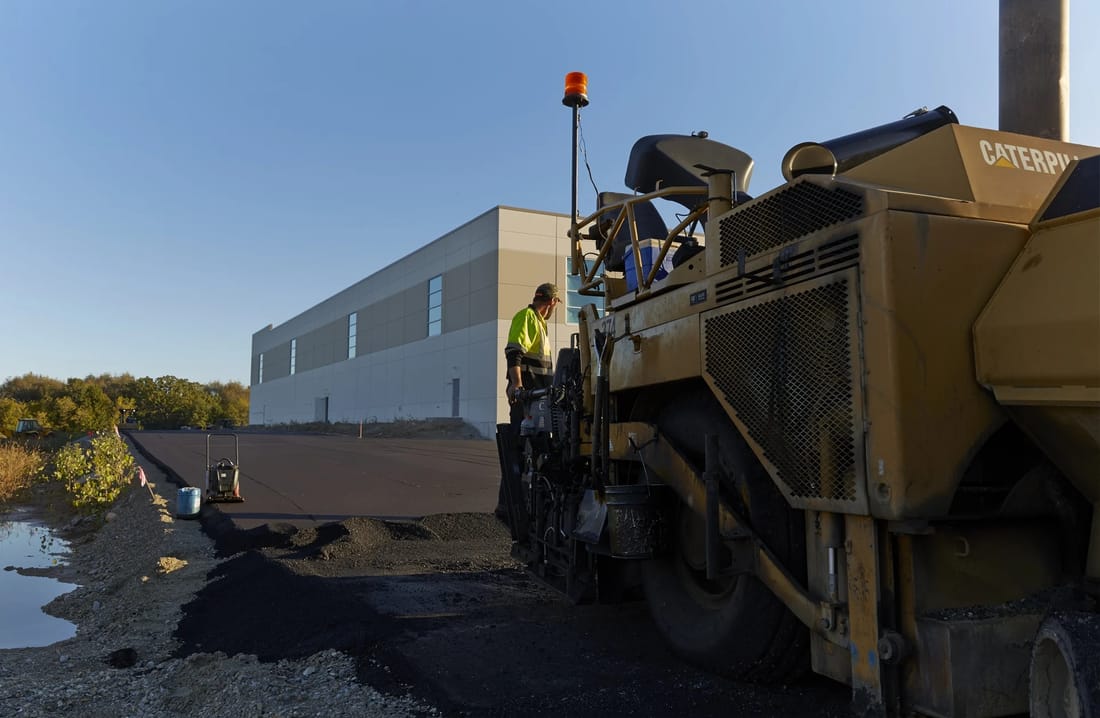
Once the base is solid, we fine grade and compact again, paying special attention to transitions to concrete loading docks, sidewalks, or existing streets. We then install the asphalt. For light to medium duty commercial use, we typically place 2 to 3 inches of hot‑mix asphalt, often in two lifts, on top of a 4 to 6 inch aggregate base. For heavier applications, such as semi truck circulation or dumpster pads, we may increase the asphalt thickness or recommend a full‑depth asphalt design in those zones.
After paving, we roll the surface to achieve a tight, smooth finish, then return for striping once the asphalt has cooled. We can lay out parking stalls, accessible spaces, fire lanes, and loading zones so the new lot is ready for customers and employees as soon as possible.
Design Options, Drainage, and Local Omaha Conditions
Good design is what separates a long‑lasting asphalt conversion from a short‑lived overlay. In Omaha, freeze‑thaw cycles, spring rains, and heavy temperature swings are tough on pavement. Precision Asphalt Omaha designs your new asphalt surface to work with our local climate instead of fighting it.
Drainage is the most important factor. Gravel can tolerate small puddles, but asphalt cannot. During planning we identify where inlets, swales, or new surface slopes are needed. For lots near Papillion Creek or other low‑lying areas we often recommend added base thickness and stronger cross slopes so water moves off the pavement quickly. Where city storm tie‑ins are not available, we may regrade to send water to grass areas or add small detention areas that match local regulations.
You also have options for how rugged the pavement needs to be. For employee parking or church lots we can use a standard commercial mix with typical thickness. For distribution centers or farm supply yards that see frequent semi trailers, forklifts, or end dumps, we may thicken the asphalt, upgrade the aggregate base, and, in some cases, add a concrete pad in the heaviest loading areas. We also discuss whether a staging area for snow piles is needed, since snow stacking in the wrong spot can cause early damage once it melts and saturates the base.
We plan the layout to match how your business operates. That might mean wider turning radii for delivery trucks, dedicated customer parking near the entrance, or one‑way flow to prevent congestion. Because we work all over the Omaha metro, we are familiar with local zoning and accessibility expectations, so we can help you avoid layout surprises during inspections.
What Affects Cost and Timeline for Gravel-to-Asphalt Conversions
Commercial gravel to asphalt projects are not one‑price‑fits‑all. Several specific factors drive cost and schedule, and it helps to understand them before you start collecting bids.
The biggest cost variable is the condition and thickness of your existing gravel and subgrade. If your lot has deep, well‑drained crushed rock that has been maintained over the years, we can often reuse most of that base and keep costs lower. If we find thin gravel sitting on clay that pumps when compacted, we will need to undercut and rebuild sections, which adds material, trucking, and labor.
Thickness and mix type also matter. A light‑duty parking lot with standard traffic can use less asphalt than a trucking yard. Choosing the right section is a balance of upfront budget and long‑term performance. In many Omaha projects, we show owners two or three section options so they can decide whether upgrading thickness in certain lanes or loading areas makes sense compared to future repair costs.
Access and phasing influence both cost and how long your business is disrupted. If we can close the entire lot for a couple of days, work is more efficient and costs are typically lower. If we must keep customer or truck access open at all times, we phase the work in sections, set up alternate routes, and return multiple days, which adds some cost but keeps your operation running. We schedule around your busiest hours and, when needed, work early mornings or weekends for minimal impact.
Local permitting can also affect timeline. Some conversions are straightforward resurfacing, while others trigger drainage or site plan reviews because grades or impervious area are changing. Since Precision Asphalt Omaha works in Omaha and surrounding jurisdictions regularly, we can help you understand what approvals are likely and factor that into your schedule from the beginning.
What to Expect When You Work With Precision Asphalt Omaha
If you have never converted a gravel lot to asphalt before, it can feel like a big step. Our job at Precision Asphalt Omaha is to walk you through each stage so there are no surprises.
We start with an on‑site meeting. We listen to how you use the property, traffic volumes, seasonal issues you have with the gravel, and any plans for expansion. We take measurements and elevations, then provide a detailed proposal that spells out base work, asphalt thickness, drainage improvements, and striping, not just a line that says "pave lot." This makes it easier to compare our plan with any other quotes you receive.
Before work begins, we confirm phasing and access, including where employees and customers should park, how deliveries will route, and what areas will be closed each day. During construction, a supervisor remains your point of contact so you always know what is happening next. We keep the site as clean and safe as possible, with cones, signage, and clear boundaries between work areas and active traffic.
After paving and striping, we walk the project with you to confirm drainage, stall layout, and finish quality. We also review basic maintenance tips, such as when to allow heavy trucks on the new asphalt, when it makes sense to sealcoat, and how to deal with snow removal without gouging the new surface. Because we are local, you can call us back if anything looks off after the first heavy rain or freeze, and we can get to your site quickly to take a look.
If you are considering a commercial gravel to asphalt conversion anywhere in the Omaha, NE area, we are happy to inspect your lot and talk through realistic options and budgets, whether you are ready to pave this season or just planning ahead.